Dietary management forms the cornerstone of treatment and should be implemented under dietitian supervision: Reduce simple carbohydrates : Avoid refined sugars, white bread, pastries, and sugary beverages that trigger rapid glucose absorption Increase complex carbohydrates : Choose wholegrain products, vegetables, and legumes with lower glycaemic indices Include protein and healthy fats : These macronutrients slow gastric emptying and glucose absorption Eat smaller, frequent meals : 56 small meals daily rather than 3 large meals Avoid liquid calories : Particularly fruit juices and sweetened drinks Limit alcohol : Alcohol inhibits gluconeogenesis and may precipitate hypoglycaemia Pharmacological interventions may be considered when dietary measures prove insufficient
About this article Cite this article Bono, S., Feligioni, M
If triglyceride levels are gradually creeping up, try reducing the propofol dose
The study also identifies 14 common diabetes-related targets, such as prostaglandin endoperoxide synthase 2 (PTGS2), acetylcholinesterase (ACHE), and the 2-adrenergic receptor (ADRB2) (121)
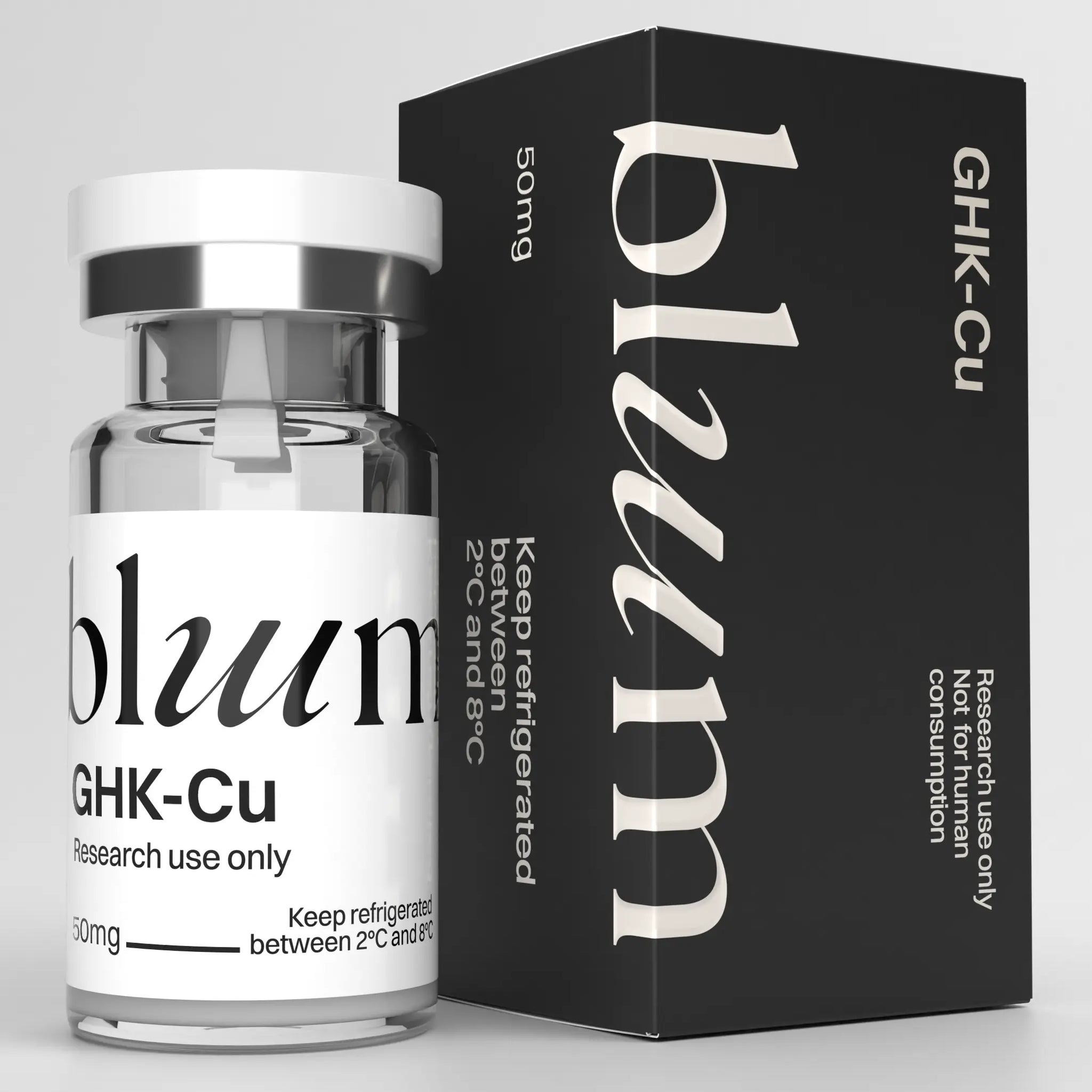
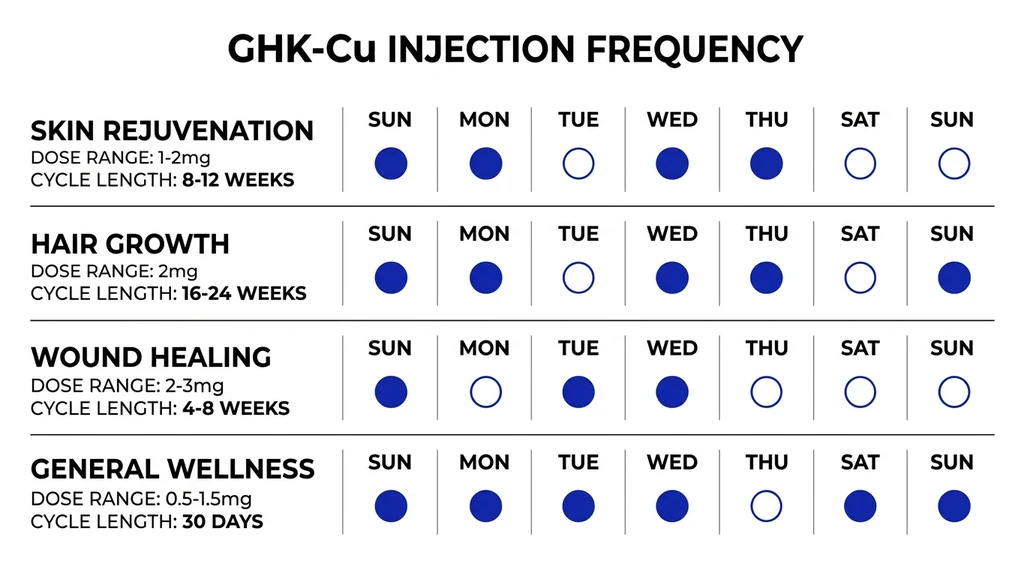
For wound and skin repair, youll often find copper peptides in topical lotions and ointments





:max_bytes(150000):strip_icc()/benefits-of-glutathione-89457_final-01-502464fe91b2444285b0cccf8cb0a33c.png)